Empowering Survivorship: Navigating Cancer Treatment and Lifestyle Changes for a Healthier Future
Surviving cancer is more than just enduring treatment; it is a journey of transformation, resilience, and ultimately, thriving. Whether you are newly diagnosed or years into survivorship, you might be wondering, "How do I truly reclaim my life after cancer?" The answer lies in understanding the strategies that empower you to navigate this unique phase of life. From the moment you step into the world of oncology, you realize that every individual’s path is distinct, yet there are common threads of hope and strength that bind the cancer community together.
Building resilience starts with a foundation of knowledge. Cancer awareness is crucial; the more informed you are about your specific cancer diagnosis, the more empowered you become. Engage in cancer research - understand the cancer therapies available, from traditional treatments like chemotherapy and radiation to innovative approaches like immunotherapy. Knowledge is a powerful tool in patient advocacy, allowing you to ask the right questions of your healthcare team, and seek out the most effective clinical trials and cancer resources available to you.
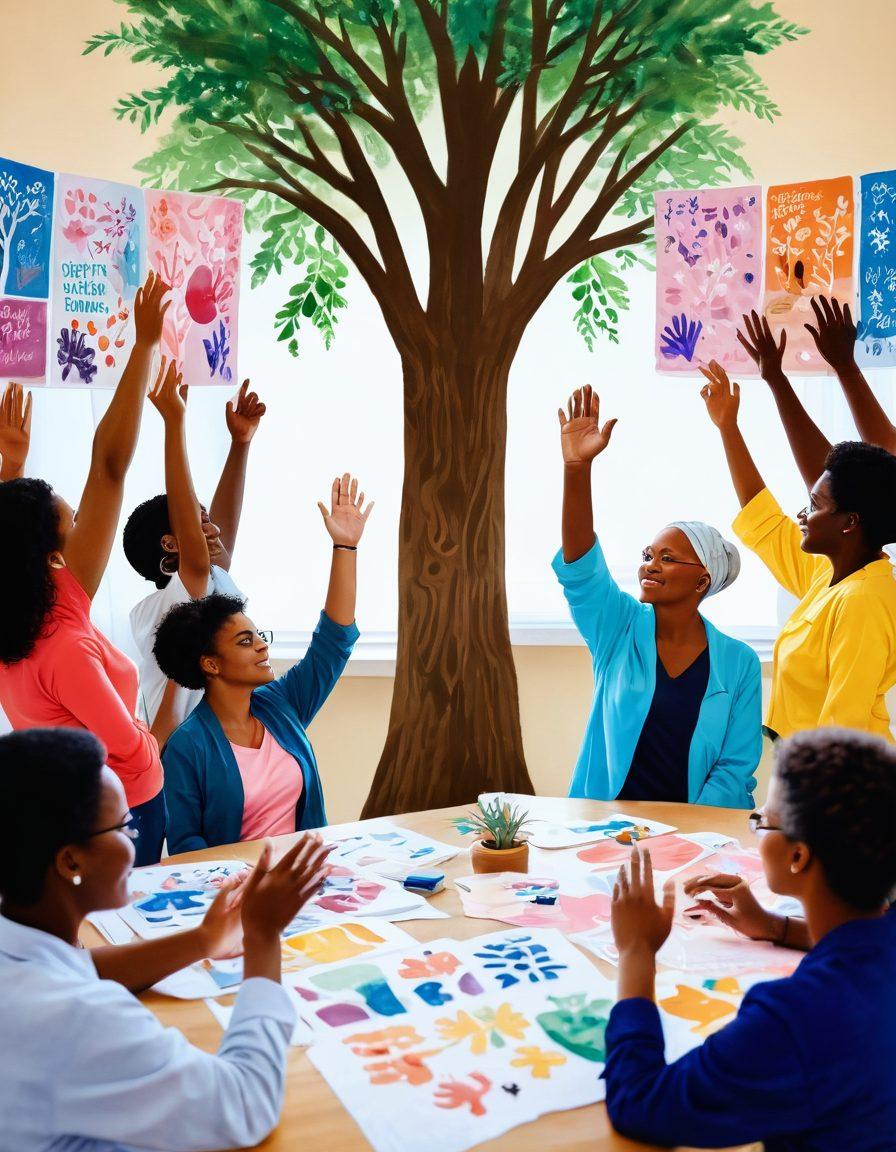
Another vital strategy in building resilience is fostering a sense of community through support groups. Connecting with fellow survivors not only alleviates feelings of isolation but also provides a platform for sharing experiences and insights. These support networks are more than just a space for discussion; they serve as a vital source of psychosocial support, reminding you that you are not alone on this journey. As you hear others share their stories, reflect on this question: "What lessons can I learn from those who have walked this path before me?"
As you navigate cancer treatment and the changes that follow, lifestyle changes play a significant role in your long-term health and wellness. Nutrition for cancer patients is an essential component that cannot be overlooked. A well-rounded diet rich in whole foods can not only aid in recovery but can bolster your immune system, setting the stage for a healthier future. Understanding preventive healthcare measures, like regular screenings and check-ups, is equally important in your journey towards cancer prevention and overall well-being.
Lastly, remember that survivorship support goes beyond physical health. It encompasses emotional and mental well-being too. Utilize cancer education resources to equip yourself with coping skills, strategies for stress management, and mindfulness techniques. Embracing a holistic health approach can transform your perception of survivorship into an empowering narrative. As you step forward, ask yourself, "How can I honor my journey and the lessons learned through cancer?" By embracing these strategies, you are not just a survivor but a beacon of hope for others embarking on their journeys.
Integrating Wellness: How Lifestyle Changes Can Boost Your Post-Cancer Journey
Cancer is often viewed as a formidable adversary, but for many, the journey through oncology can lead to transformative lifestyle changes that enhance the quality of life. If you or a loved one is navigating cancer treatment, it’s crucial to recognize that the battle doesn’t end with remission; in fact, it’s only just beginning. Integrating wellness practices into your daily routine can significantly boost your post-cancer journey, allowing you to reclaim your health and well-being in ways you may have never imagined. So, how can we harness the power of lifestyle changes to create a brighter future?
Imagine standing at the crossroads of your life—on one side lies the familiar path of sedentary habits, and on the other, an exciting yet daunting road filled with nutrition, exercise, and mindfulness. Each choice you make is a step toward empowerment. As you reflect on your cancer diagnosis, ask yourself: What does health mean to me? How can I make choices that align with my body’s need for healing? Incorporating elements of wellness is not just about physical change; it's about redefining your relationship with yourself and embracing a holistic approach to cancer survivorship.
Nutrition is a cornerstone of any wellness routine, particularly for those recovering from cancer treatment. What if you could fuel your body with nourishing foods that strengthen your immune system and ward off fatigue? By focusing on nutrition for cancer patients, you can turn your plate into a canvas of vibrant, immune-boosting foods. Fresh fruits and vegetables, whole grains, and healthy fats not only aid in recovery but also promote preventive healthcare. As you experiment with recipes, remember the words of Hippocrates: 'Let food be thy medicine.'
Beyond food, physical activity plays a vital role in integrating wellness into your post-cancer lifestyle. Engaging in regular exercise can significantly improve your mood, increase energy levels, and enhance resilience against recurrence. Support groups and cancer resources can help find an activity that resonates with you. Whether it's yoga, walking, or something more adventurous like hiking, the key is to find joy in movement. Ask yourself, what physical activity makes me feel alive?
Finally, don’t underestimate the power of psychosocial support. The cancer community offers numerous resources—from patient advocacy groups to wellness workshops—that encourage individuals to share their stories and learn from one another. The emotional toll of cancer treatment can be immense, but by seeking help and engaging with others, you can foster a sense of belonging. In this journey, remember that every small lifestyle change counts; together, they build a foundation for a healthier future. So step boldly into your post-cancer life and embrace the power of choice—the power of wellness!
From Awareness to Action: Empowering Patients with Knowledge and Support in Oncology
When it comes to cancer, knowledge is truly power. Every year, millions are diagnosed with various forms of the disease, faced with overwhelming challenges and uncertainties. However, navigating cancer treatment doesn’t have to be a solitary journey. By emphasizing cancer awareness and providing supportive resources, patients can become active participants in their own healing process. The power of oncology lies not only in advanced treatments like immunotherapy and targeted therapies but also in empowering patients through education and community support. This is where the transformative journey from awareness to action begins.
Imagine standing at a crossroads: on one path lies a future clouded by the unknown, the fear that often accompanies a cancer diagnosis, and on the other, a pathway illuminated by knowledge, resources, and a supportive cancer community. The latter is crucial for ensuring that patients have access to information about their treatment options, such as clinical trials and emerging cancer therapies. By finding and engaging with cancer resources, advocates, and support groups, patients can make informed decisions about their care that resonate with their unique circumstances and lifestyles.
Any cancer warrior will tell you that survivorship is not just about enduring treatment—it's about thriving beyond diagnosis. Patient advocacy plays a pivotal role in this journey, helping individuals understand and navigate their cancer diagnosis while opening doors to preventive healthcare measures. We can draw inspiration from the words of renowned cancer advocate, Annette Funicello, who once said, “I am not a statistic. I am a human being with dreams and hopes.” By embracing this mindset, cancer patients can find the strength to transform their health and lifestyle, incorporating holistic health approaches, nutrition for cancer patients, and wellness practices into their daily routines.
It's essential to acknowledge the psychological impact of cancer. The journey often has a ripple effect, influencing not just the body, but also mental and emotional well-being. This is where psychosocial support becomes paramount. The fight against cancer can feel isolating, but resources such as support groups and counseling can help patients feel connected and understood. Have you ever wondered how sharing your story could empower not only your healing but also inspire others battling similar challenges? Each experience shared in support groups can create a tapestry of strength that weaves through the cancer community, fostering resilience and hope.
As we strive for cancer prevention and healthier futures, let’s remember that each of us can be an advocate for ourselves and others. Engaging in preventative healthcare, increasing health awareness, and seeking cancer education are vital steps in taking control of our health. From understanding cancer statistics to participating in cancer research initiatives, your actions can significantly contribute to a larger movement toward supporting survivors. No matter where you are in your journey, remember: you are not alone, and together, we can pave the way for a healthier future, one empowered individual at a time.